In the face of a wide variety of Polypropylene high-strength fibre products in the market, how can purchasing personnel develop a "sharp eye" to avoid traps and select high-quality products that truly meet the project requirements? This article will provide you with a practical purchasing guide.
The first step: Clarify the core indicators and understand the parameter table
When choosing Polypropylene high-strength fibre, it is not based on "feeling". The following key technical parameters must be closely monitored:
Fineness: It refers to the thickness of the silk thread. For instance, 1000D or 2000D, you need to select the appropriate specification based on your equipment and requirements.
Breaking strength: This is the core indicator for measuring "high strength". Ask the supplier directly about the minimum strength and regular strength range of their products and request a third-party test report.
Elongation at break: It is neither the lower the better nor the higher the better. It should be within a specific range (usually between 12% and 25%) to ensure that the material is both rigid and capable of cushioning impacts.
Thermal shrinkage rate: Polypropylene high-strength fibre has undergone good heat setting, and its thermal shrinkage rate should be controlled at a relatively low level. This is related to the dimensional stability of the finished product in a temperature difference environment.
Step 2: Inspect the production process and raw materials
Raw material source: Inquire about the grade of polypropylene chips used? Silk threads produced from high-quality virgin materials have uniform color and stable performance. The strength and durability of products made from recycled materials will be greatly reduced.
Drawing process: The Polypropylene high-strength fibre produced by the full drawing filament (FDY) process has a stable structure and excellent performance, making it the preferred choice for most industrial applications.
Step 3: On-site identification and sample testing
Before making bulk purchases, be sure to request samples and conduct simple tests
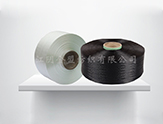
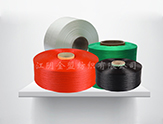
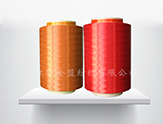
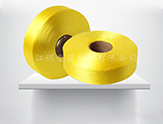
Visual inspection: Observe whether the filament barrel is formed regularly, whether the color of the filament is uniform and pure, and whether there are any hairy filaments, stiff filaments or oil stains.
Feel and sound: When touched by hand, high-quality high-strength silk feels firm and smooth. Pinch a handful of silk thread and rub it. The sound is clear and crisp.
Simple strength test: It can be subjected to a manual breakage test (safety should be noted), to feel its toughness and strength, and compare it with known samples.

















 A guide to choosing Polypropylene high-strength fibre!